
Top 10 Energy Companies in Malaysia (2026)
Introduction
Malaysia’s energy sector sits at the center of Southeast Asia’s industrial and economic growth. As one of the region’s key oil and gas producers, the country has long relied on hydrocarbons as a major revenue driver. At the same time, a clear shift toward renewables, energy efficiency, and sustainability is reshaping the landscape.
What makes Malaysia unique is its balanced transition. Established energy giants continue to dominate global markets, while new-age players are investing in solar, hydrogen, and green infrastructure. This dual-track evolution is creating one of the most dynamic energy ecosystems in Asia.
In this list of the Top 10 Energy Companies in Malaysia (2026), we evaluate organizations based on scale, innovation, resilience, and future readiness.
Key Insights
- Malaysia is accelerating its transition toward renewable and low-carbon energy sources
- LNG remains a strategic strength, with global demand supporting long-term growth
- Integrated players are outperforming pure upstream companies due to diversification
- Offshore services and FPSO demand remain strong in Southeast Asia
- Energy companies are increasingly investing in hydrogen and green infrastructure
1. Petroliam Nasional Berhad (Petronas)
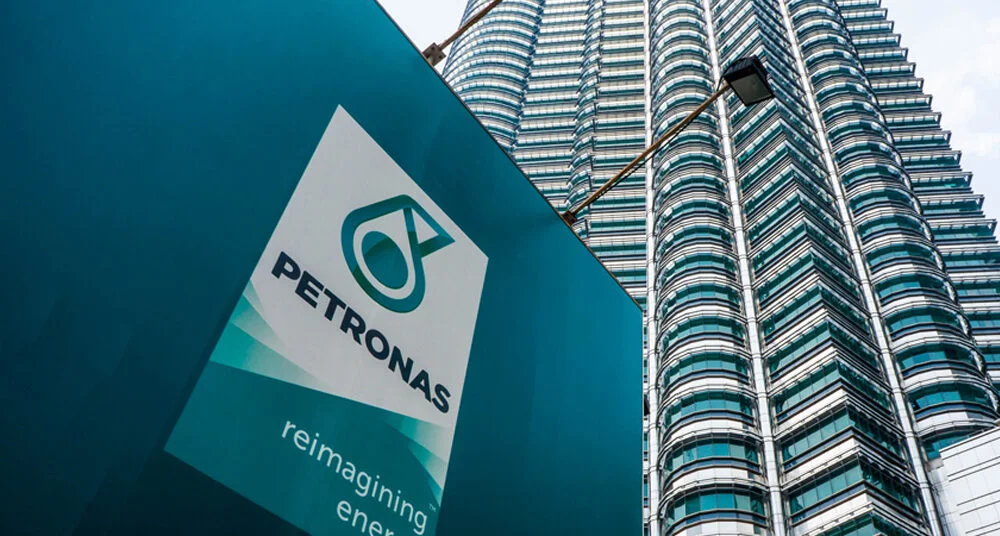
Petronas is the undisputed leader in Malaysia’s energy sector and a globally recognized national oil company. It operates across the entire value chain, including upstream exploration, downstream refining, petrochemicals, and LNG. The company is one of the world’s largest LNG exporters, supplying key markets across Asia and beyond. Its strong financial performance and global asset portfolio provide unmatched scale and resilience. In recent years, Petronas has accelerated investments in renewable energy, hydrogen, and carbon capture initiatives. It is actively repositioning itself as an integrated energy company rather than just an oil producer. Its strategic partnerships and international footprint reinforce its influence across global energy markets.
2. Tenaga Nasional Berhad (TNB)
TNB is Malaysia’s largest electricity utility and a critical pillar of national infrastructure. It manages power generation, transmission, and distribution across the country, serving millions of customers. The company has been aggressively investing in renewable energy, including solar and hydroelectric projects. Its focus on grid modernization and smart energy solutions reflects a forward-looking strategy. TNB is also expanding internationally, particularly in the UK and Southeast Asia. The company plays a key role in enabling Malaysia’s energy transition toward cleaner sources. Its scale, reliability, and evolving portfolio make it one of the leading companies in Malaysia’s energy sector.
3. YTL Power International
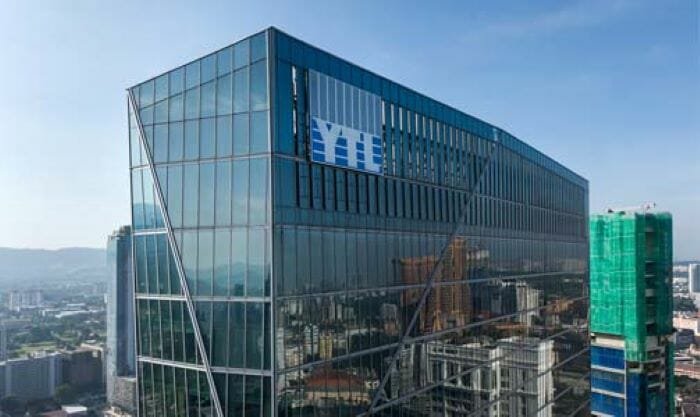
YTL Power has built a diversified portfolio spanning power generation, water utilities, and infrastructure services. The company operates across multiple geographies, including Malaysia, Singapore, and the UK. Its long-term concession-based projects provide stable and predictable revenue streams. YTL has been increasing its focus on sustainable energy and digital infrastructure. The integration of utilities and infrastructure gives it a competitive edge in large-scale projects. Its ability to execute complex developments positions it strongly in the evolving energy landscape. The company’s global exposure also reduces reliance on a single market.
4. Sapura Energy Berhad
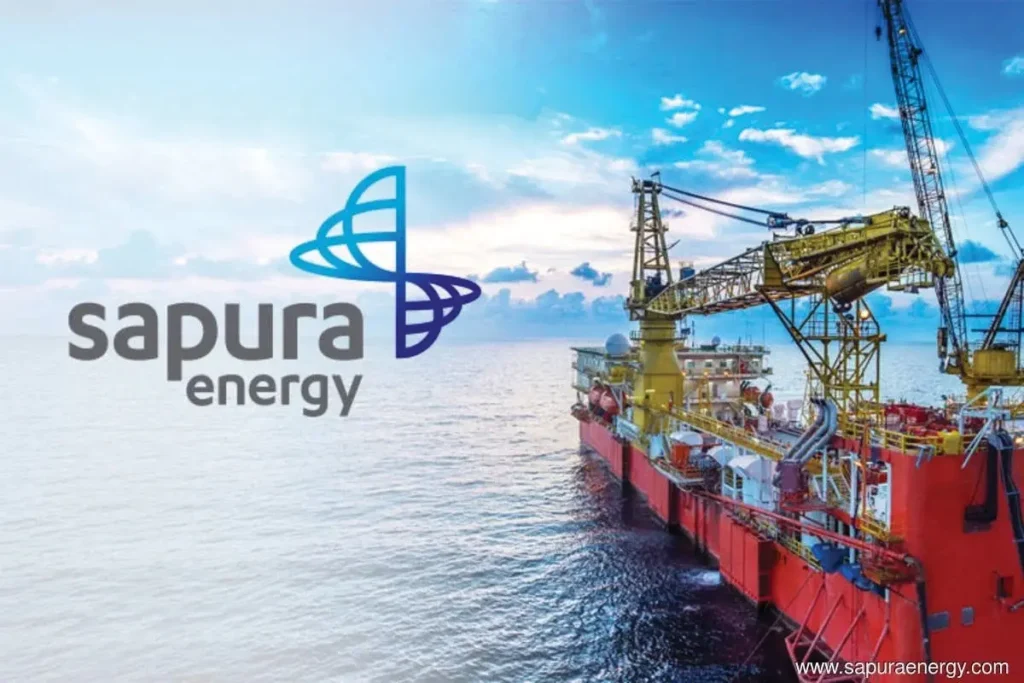
Sapura Energy is a major player in oilfield services, engineering, and offshore operations. The company has executed large-scale projects across multiple continents, showcasing strong technical capabilities. Despite facing financial restructuring challenges, it continues to maintain a significant presence in the sector. Its engineering expertise and offshore assets remain valuable in upstream development projects. Sapura is actively working on improving operational efficiency and financial stability. The company’s experience in deepwater and complex environments is a key differentiator. Its long-term recovery strategy will determine its future positioning.
5. Dialog Group Berhad

Dialog Group is a leading integrated technical service provider with a strong presence in storage, logistics, and upstream activities. Its Pengerang Deepwater Terminal is one of the most strategic energy infrastructure assets in the region. The company benefits from long-term contracts and recurring income streams. Dialog has successfully diversified across multiple segments of the energy value chain. Its partnerships with global energy players enhance its credibility and reach. The company is also exploring opportunities in renewable energy and sustainability. Its asset-heavy model provides stability and long-term growth potential.
6. MISC Berhad
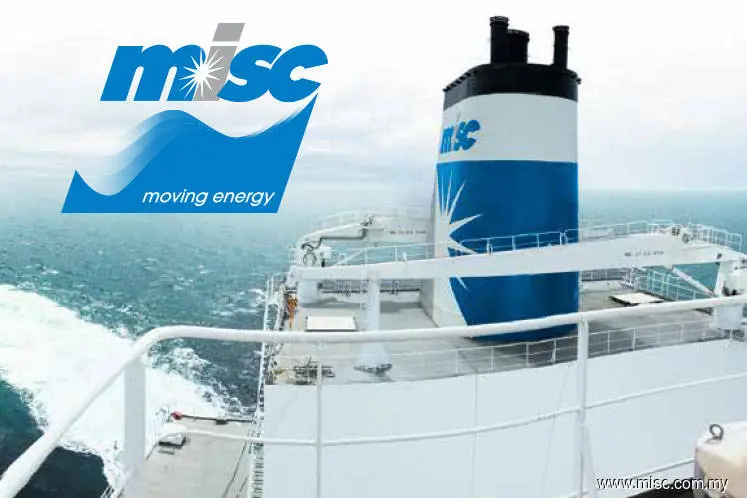
MISC is a global leader in energy-related maritime solutions, particularly LNG shipping and offshore floating assets. It operates one of the world’s largest LNG carrier fleets, supporting global energy trade. The company’s long-term charters ensure stable cash flows and reduced market volatility. MISC is also involved in offshore production through floating production systems. Its global presence and operational expertise make it a key logistics enabler in the energy sector. The company is exploring greener shipping solutions and sustainability initiatives. Its strategic importance lies in connecting production with global demand.
7. Hibiscus Petroleum Berhad
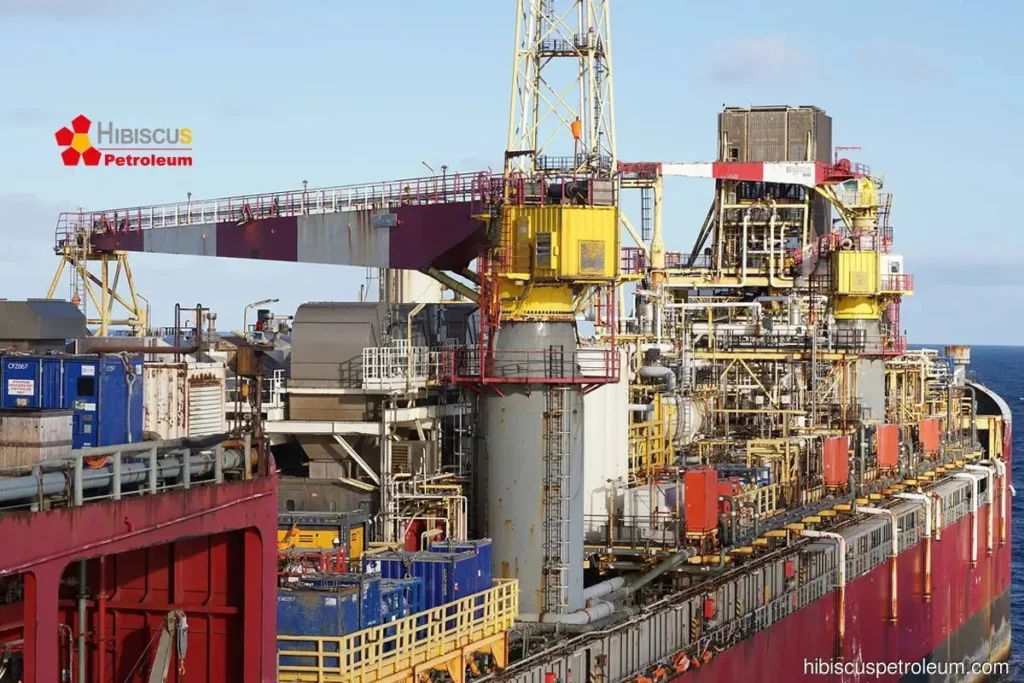
Hibiscus Petroleum is one of Malaysia’s most successful independent upstream companies. It has grown rapidly through strategic acquisitions and efficient asset management. The company focuses on maximizing production from mature fields, improving profitability. Its disciplined capital allocation strategy has strengthened its financial performance. Hibiscus has expanded its presence beyond Malaysia into international markets. The company is known for operational efficiency and strong technical execution. Its growth trajectory positions it as a rising force among mid-sized energy players.
8. Bumi Armada Berhad
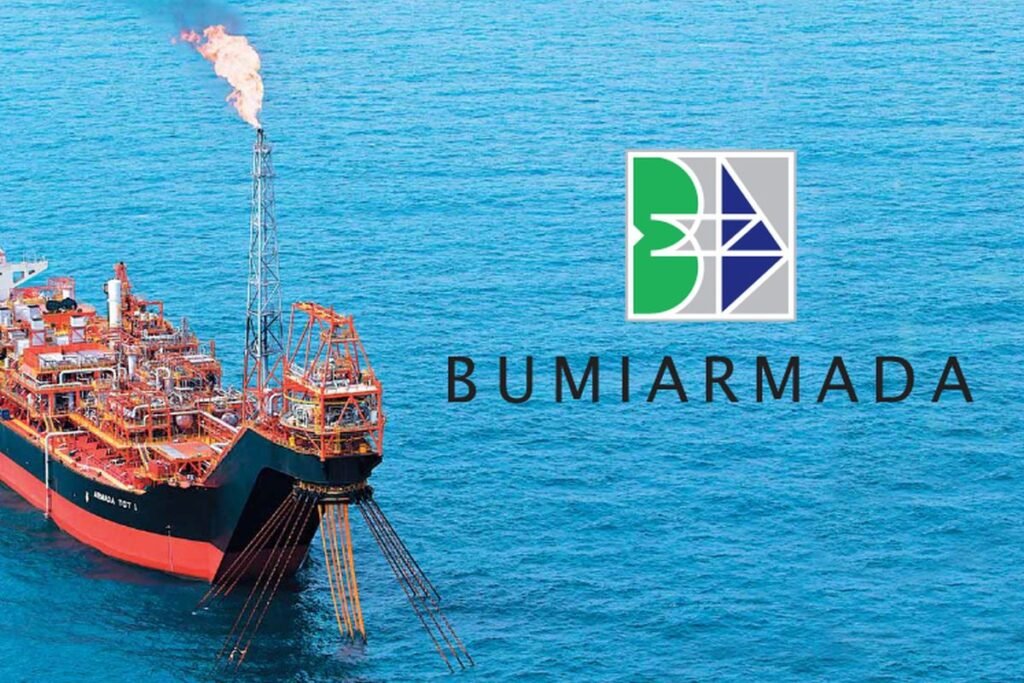
Bumi Armada is a global provider of floating production, storage, and offloading systems. It plays a critical role in offshore oil and gas production, particularly in deepwater fields. The company operates in multiple regions, including Africa and Latin America. Its long-term contracts provide revenue visibility and operational stability. Bumi Armada’s technical expertise in FPSO systems is a major competitive advantage. The company continues to secure new projects, strengthening its order book. Its global footprint enhances Malaysia’s presence in international energy markets.
9. UMW Holdings Berhad
UMW Holdings has diversified interests, including energy services, manufacturing, and equipment distribution. In the energy sector, it provides drilling and oilfield support services. The company’s integrated business model creates cross-sector synergies. UMW has built strong relationships with major oil and gas operators. Its focus on operational efficiency and cost management supports long-term sustainability. The company is also exploring opportunities in renewable energy and industrial solutions. Its diversified portfolio reduces exposure to sector-specific risks.
10. Dayang Enterprise Holdings

Dayang specializes in maintenance, repair, and operations services for offshore platforms. It has built a strong reputation for reliability and technical expertise. The company benefits from long-term contracts with major oil and gas operators. Its consistent performance has resulted in steady revenue growth. Dayang focuses on operational excellence and cost efficiency. The company is well-positioned to benefit from increased offshore activity. Its niche specialization provides a strong competitive advantage.
Conclusion
Malaysia’s energy sector is undergoing a structural transformation. While hydrocarbons continue to anchor the economy, the shift toward sustainability is gaining pace.
The leading companies in Malaysia’s energy sector are those that can balance legacy strengths with forward-looking investments. As global energy dynamics evolve, these companies will play a critical role in shaping regional energy security and innovation.